Remove the old covering
Removing the existing shingles exposes the surface beneath. That makes it possible to see deterioration, repair unsound areas and rebuild the water-management layers.
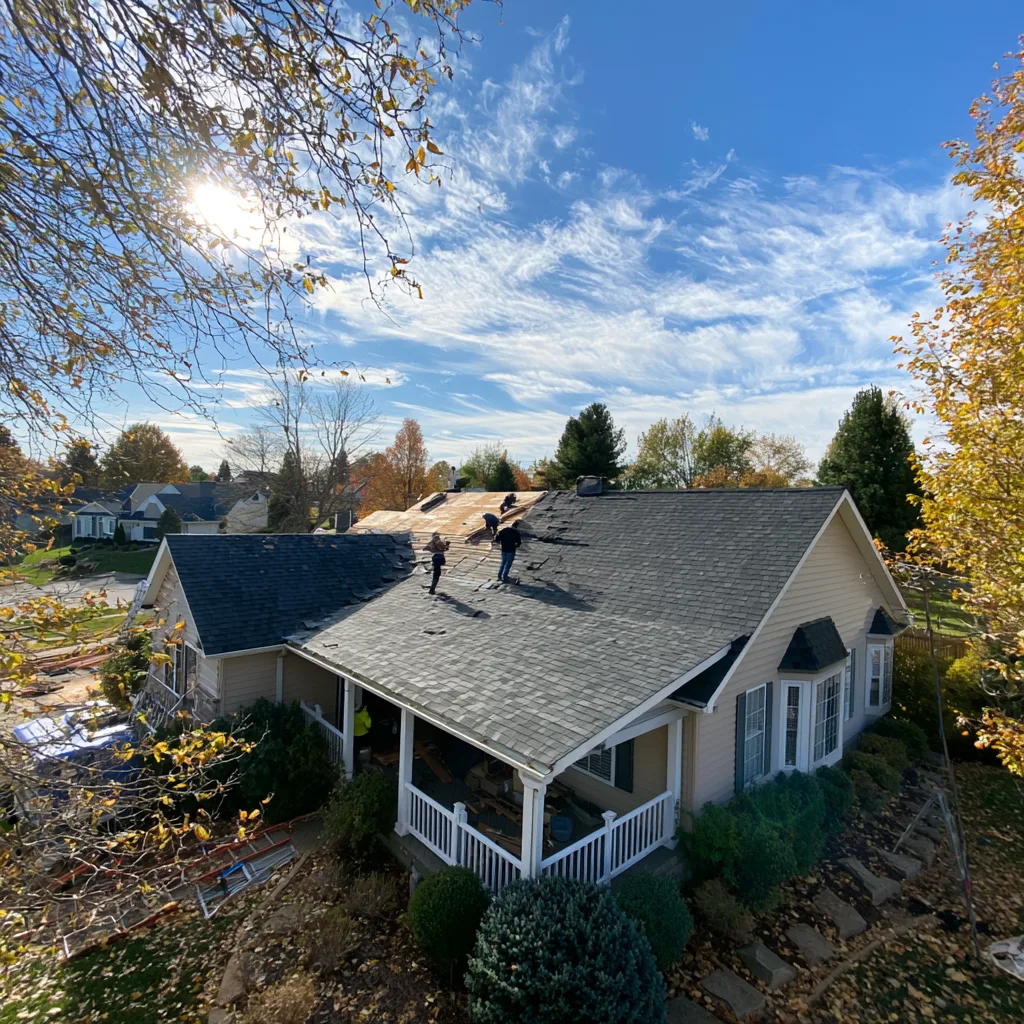
When the roof is worn across a wide area, another patch may only postpone the same problem. Plan roof replacement in Mansfield with attention to the covering, the supporting layers and the details that keep water moving.
A roof can reach the point where isolated repairs no longer make much sense. Shingles may be brittle across several slopes, earlier repairs may be surrounded by failing material, or water may have damaged more of the assembly than the first visible leak suggested.
Replacement opens up the whole roof so that the covering and the details beneath it can be considered together. That does not mean every board must be replaced. It means the existing layers need to be understood before new shingles hide them again.
Mansfield Summit Roofing helps you begin with a free inspection. The condition of the actual roof should explain why replacement is worth considering, and whether a more limited roof repair still makes sense.
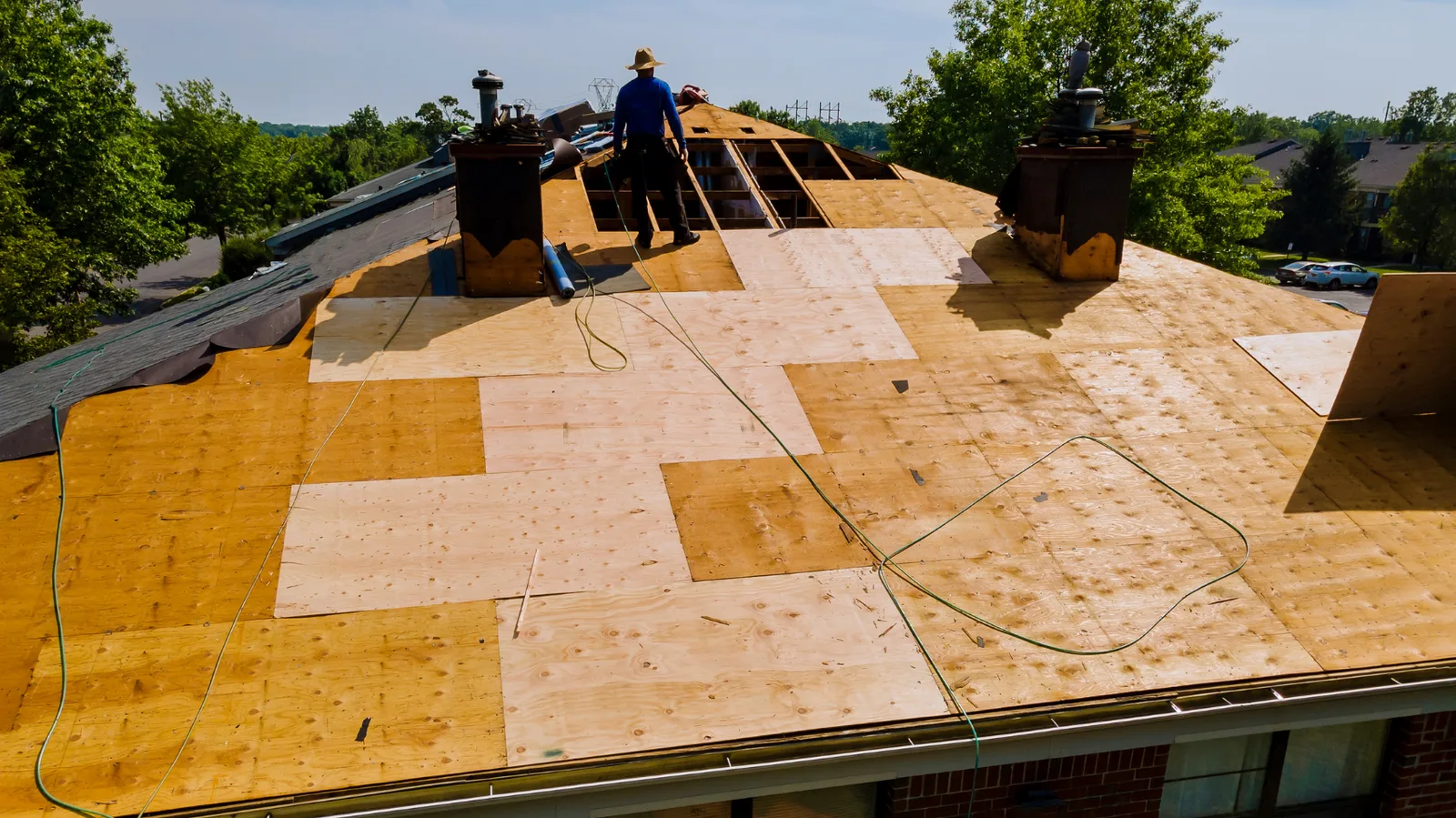
A roof replacement is a connected scope of work. The shingles matter, but so do the layers and transitions that rain reaches before it can enter the house.
Removing the existing shingles exposes the surface beneath. That makes it possible to see deterioration, repair unsound areas and rebuild the water-management layers.
Decking needs to provide a suitable base for the selected roof. Sound material can stay; deterioration, damaged edges or unsuitable support require attention.
Underlayment, leak barriers where required, edge metal and flashing details work with the new shingles. Valleys, walls and penetrations need deliberate connections.
The existing ventilation arrangement and the openings through the roof belong in the plan. Replacing shingles alone will not correct every moisture or airflow problem.
Explore the roof from the visible covering down to its support. The illustration explains the role of each layer; the exact products and details depend on the roof.
Shingles shed most of the rain. Their overlap, fastening and sealed edges work together, especially where wind can lift an exposed edge. Replacing a few damaged shingles can be sensible when the surrounding covering remains sound and repairable.
Widespread cracking or brittle shingles can make a small repair difficult to tie into the rest of the roof.
Underlayment lies beneath the shingles. Leak barriers add protection at details specified for the roof, such as vulnerable valleys and penetrations. These layers belong beneath properly installed shingles; they are not a substitute for repairing a failed roof surface.
On a replacement, uncovering the old roof creates the opportunity to renew these layers and connect them to the flashing details.
Roof decking supports the covering and provides a surface for its fasteners. Sound decking can remain in a replacement project. Soft, damaged or unsuitable sections need attention before new roofing covers them.
The extent of hidden deterioration can change the work. A roof inspection helps establish the likely scope; removal may reveal areas that were not visible.
Metal flashings guide water where the roof meets a wall, chimney, valley or opening. At the eave, the roof edge and gutter need to work together. A good-looking field of shingles will not make up for a failed transition.
A concentrated leak may be a detail repair rather than a reason to replace all the roofing.
On a vented attic, intake and exhaust need a usable path. The insulation, air sealing and roof ventilation each have a different job. Adding an exhaust vent alone does not establish that the whole attic is working correctly.
A replacement is a useful time to consider the existing attic arrangement and the requirements of the selected roofing system.
Shingle choices change appearance, product characteristics and project cost. They also need to fit the roof’s slope, deck and complete installation system.
Layered profiles give the roof more dimension than a flat three-tab appearance. The exact look, installation requirements and warranty terms depend on the product.
An impact classification describes performance in a defined test. It is useful product information, but it does not make a roof hail-proof or establish that an insurer will offer a particular discount.
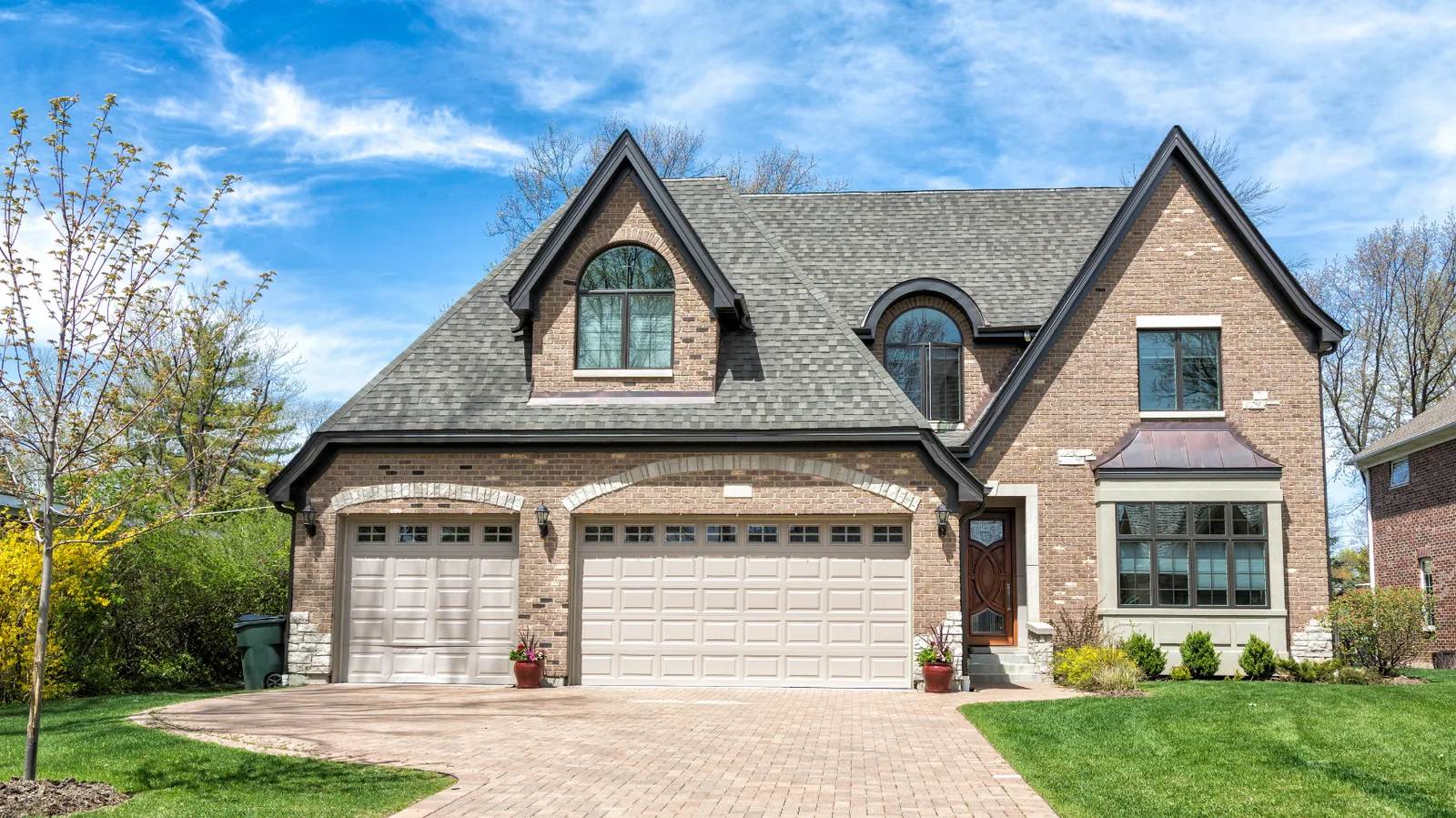
On a home with broad, visible roof planes, the sample color becomes a large part of the exterior. Existing brick, trim and any applicable property restrictions influence the selection.
The roof and the weather shape the sequence. A complete scope needs to account for the work between removing the covering and leaving the property ready to use.
Access, removal debris, landscaping and any rooftop equipment affect how the work is arranged. Discuss the circumstances of the property before work begins.
The old covering comes off, the exposed support is assessed and the new layers are installed in the required sequence. Hidden damage can change the work.
Edges, penetrations, vents and adjoining surfaces need to connect to the new roof. Cleanup and any remaining work belong in the actual project agreement.
A regional planning example for a standard asphalt-shingle replacement is roughly $8,000–$18,000 for a typical Fort Worth-area single-family project. A published example for a 2,000-square-foot home with moderate roof pitch and no major structural issues falls around $12,000–$14,000. These are broad 2026 regional examples, not Mansfield Summit Roofing quotes or a measured Mansfield average.
Home floor area is not roof surface area. Overhangs, roof pitch, attached spaces and roof shape change the amount of covering and detail work. A usable proposal needs the property’s actual measurements and scope.
Regional example checked September 2026. Exceptional access, substantial concealed deterioration or a different material can move the total outside the example.
Not automatically. Sound, suitable decking can remain. The city’s roofing FAQ says good-condition sheathing does not have to be replaced simply because the shingles are being replaced. Deteriorated or unsuitable areas are a different matter.
The size and shape of the roof, access, weather and what is found during removal affect the schedule. A small uncomplicated roof is a different project from several steep slopes or extensive deck repairs. Discuss the expected sequence and weather plan for this property.
Not by themselves. A vented attic needs a working intake and exhaust arrangement, alongside appropriate insulation and air sealing. The existing attic design should be considered instead of adding vents by habit.
The applicable product and workmanship terms come from the parties offering them. Coverage, eligibility and exclusions differ. The roof warranty guide explains those distinctions without promising a particular warranty.
Start with the roof’s condition and the work that would make a replacement worthwhile. Request a free inspection for your Mansfield home.