A focused gutter repair
A damaged joint, isolated section or displaced attachment may be repairable when the surrounding system is sound and correctly arranged.
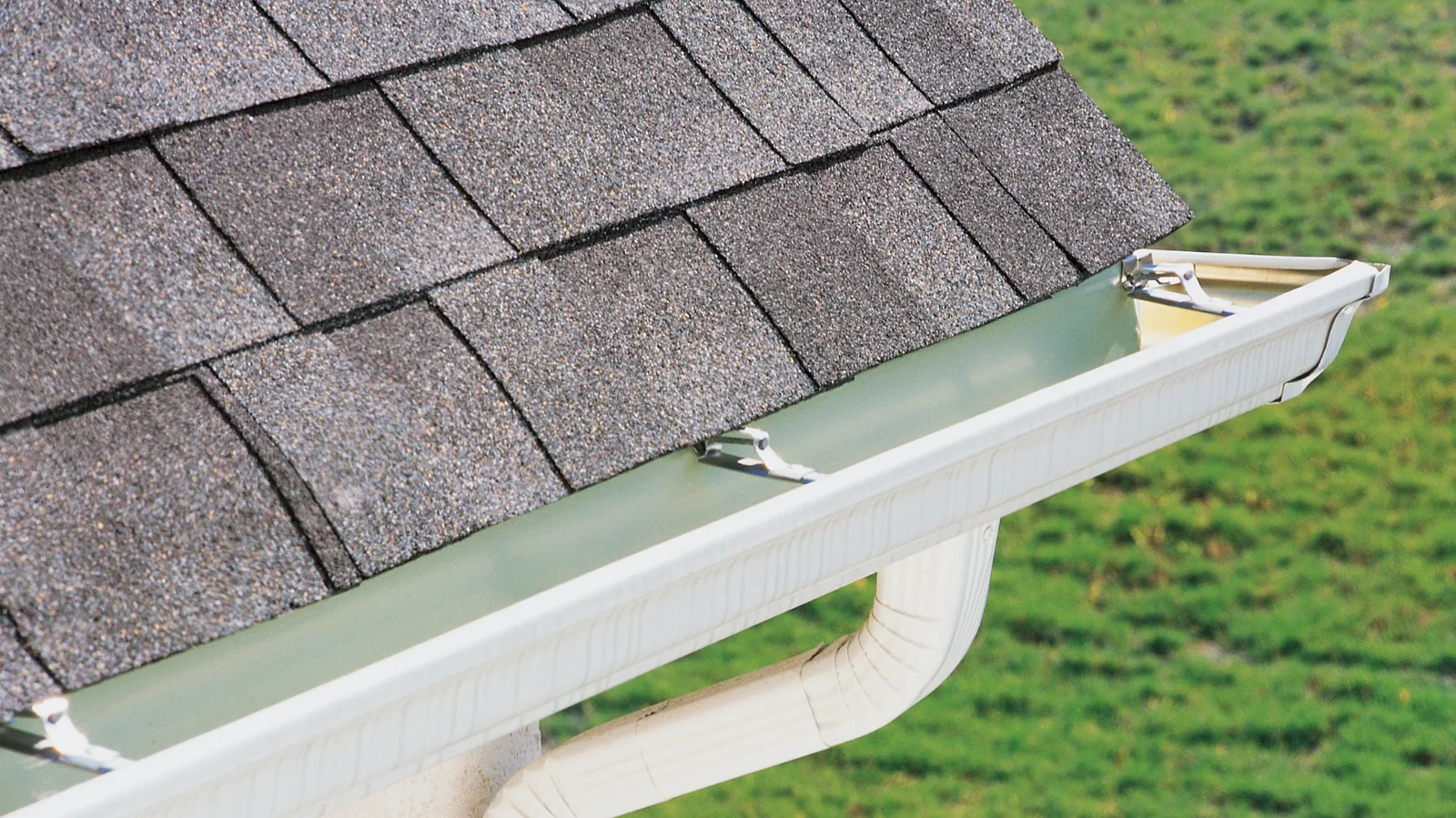
Overflowing gutters and damaged downspouts can send roof runoff back toward the house. Get gutter installation and repair help in Mansfield, with attention to the roof edge, the supporting fascia and where the water goes next.
A gutter is part of a route, not just a trough along the eave. It needs to collect water from the roof, carry it without overflowing and discharge it where it will not create another problem. The roof edge and the attachment behind the gutter are part of that job.
When water runs over the side, the cause may be debris, poor fall, an inadequate outlet or a damaged section. A stain at the eave can also involve flashing or deteriorated fascia. Replacing the gutter alone will not solve every roof-edge problem.
Describe what happens when it rains and where the water appears. A free inspection can help connect the drainage concern to the actual work needed.
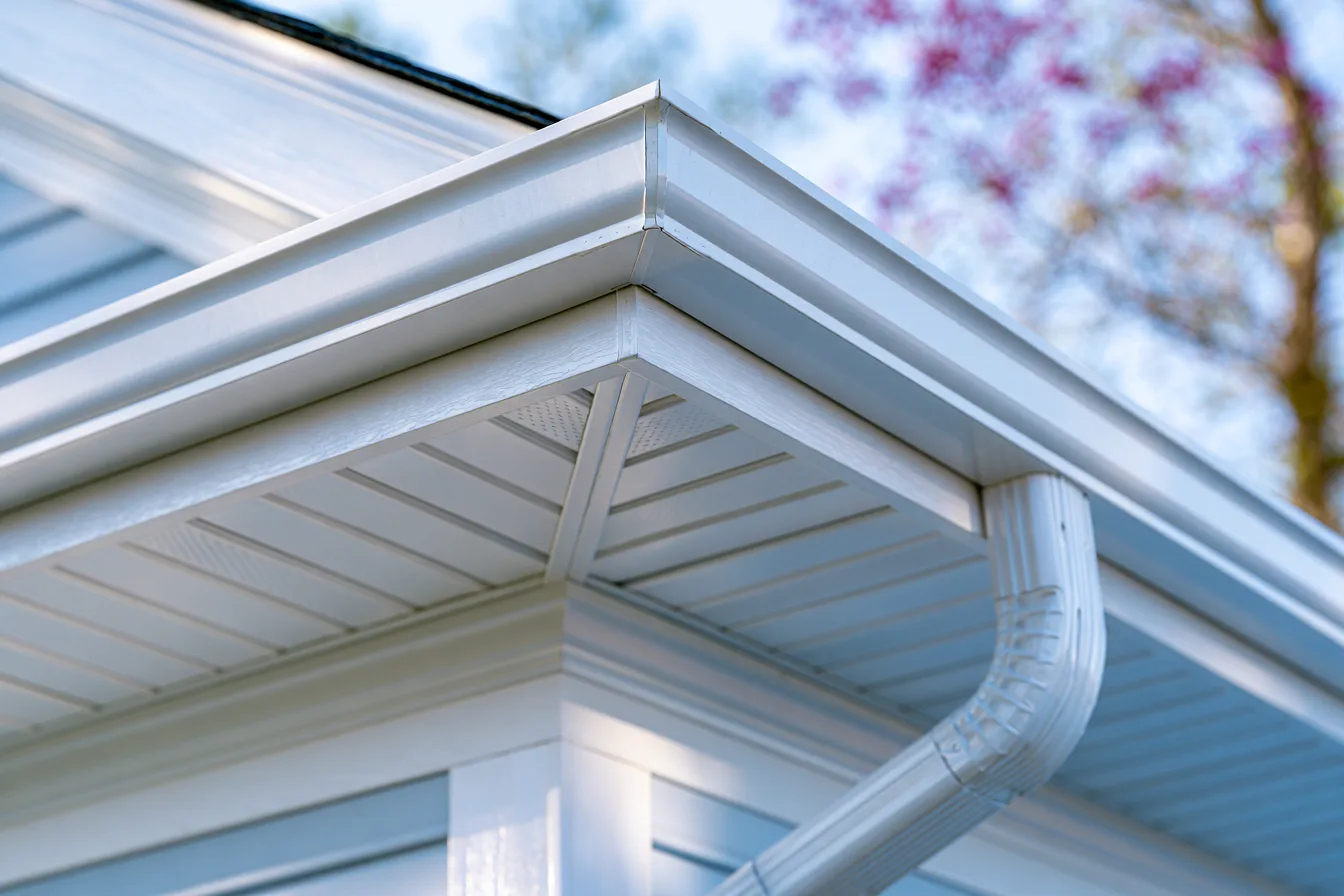
The way water behaves can be more useful than how the gutter looks on a dry day. Stay on the ground when observing the problem.
Repeated overflow can wet fascia, soffits and nearby surfaces. The cause should be addressed before covering affected material.
The amount of work depends on the condition of the gutter and the route it needs to serve.
A damaged joint, isolated section or displaced attachment may be repairable when the surrounding system is sound and correctly arranged.
Repeated leaks, poor alignment or broader deterioration can make a new run more practical. The outlet and downspout need to suit the roof area collecting into it.
An addition, changed roofline or concentrated valley runoff can change what the gutter must handle. The solution needs to consider collection and discharge together.
The visible gutter is only one part of the roof edge. Water management can fail where it connects to other materials.
The covering and edge flashing should direct runoff into the intended drainage path. A gap or poor overlap can send water behind the gutter.
The material holding the gutter needs to be sound. Deteriorated wood can require repair before new attachments are dependable.
Water needs a usable outlet away from vulnerable surfaces. A replacement gutter does not correct an unsuitable discharge point by itself.
A useful gutter plan follows the geometry of the roof instead of choosing the same run and outlet for every house.
Broad slopes and roof valleys can concentrate water into one part of the gutter.
The fall, outlet positions and sound attachment points determine how water moves along the eave.
Downspouts need to connect to the agreed outlet arrangement. The roof and drainage work should be considered together.
No. Guards can change the kind of debris that enters a gutter, but the system and outlets still need attention. The product and nearby conditions affect how it performs.
Not automatically. Sound gutters may remain useful, but the roof-edge work, access and existing drainage condition can make coordinated work sensible.
A drainage problem can contribute to water at the eave or nearby materials, but a leak may also start in the roof covering or flashing. The source needs to be identified before choosing the work.
Describe the affected roof edge in the request. The roof repair assessment can help establish whether the problem is limited to drainage or reaches the supporting materials.
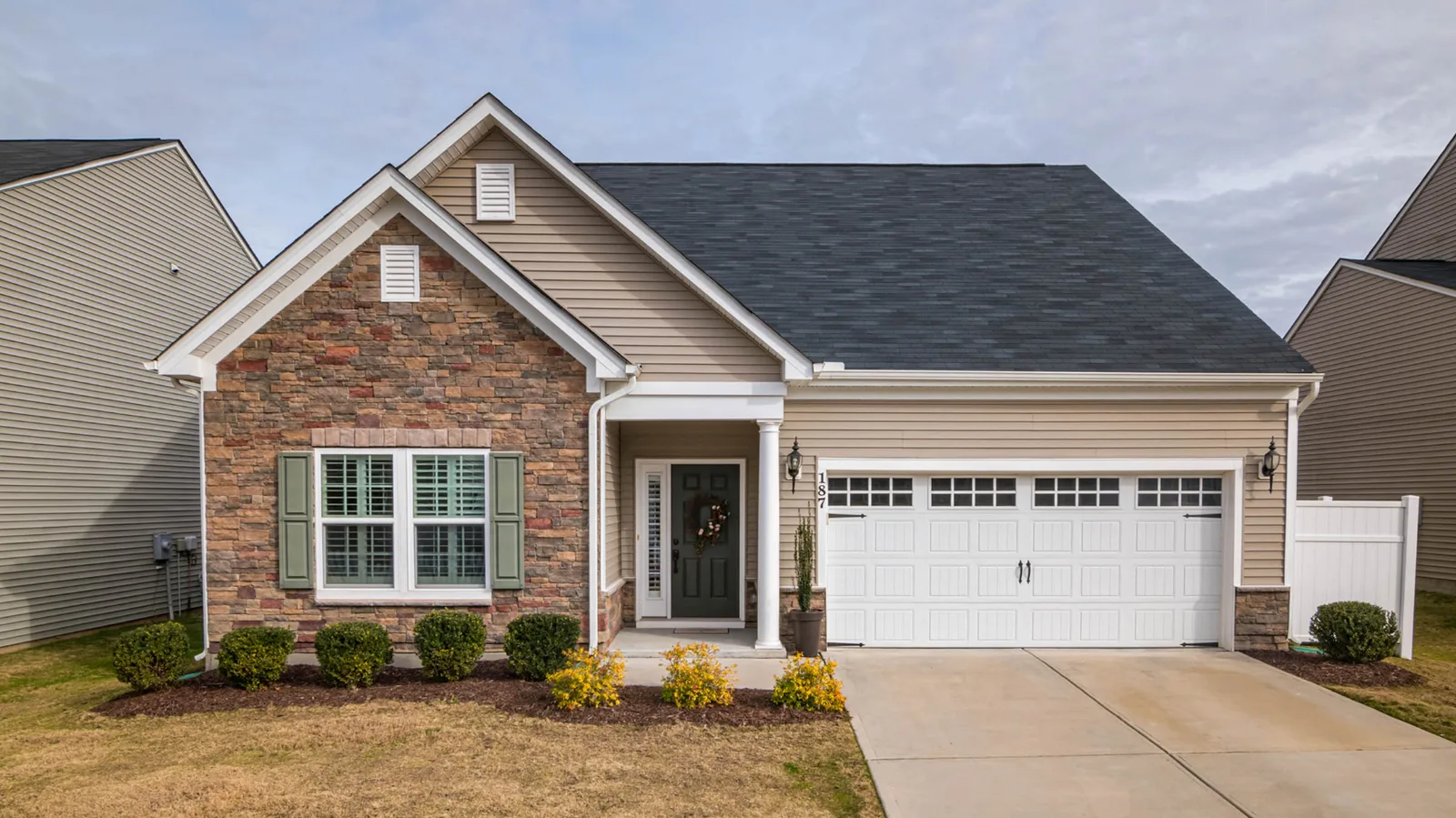
Tell us where the gutter overflows, leaks or pulls away. Start with an assessment of the roof edge and water path.