The weather surface
Seams, punctures, weathering and previous repairs provide clues about the covering. Repair materials need to be compatible with the actual roof system.
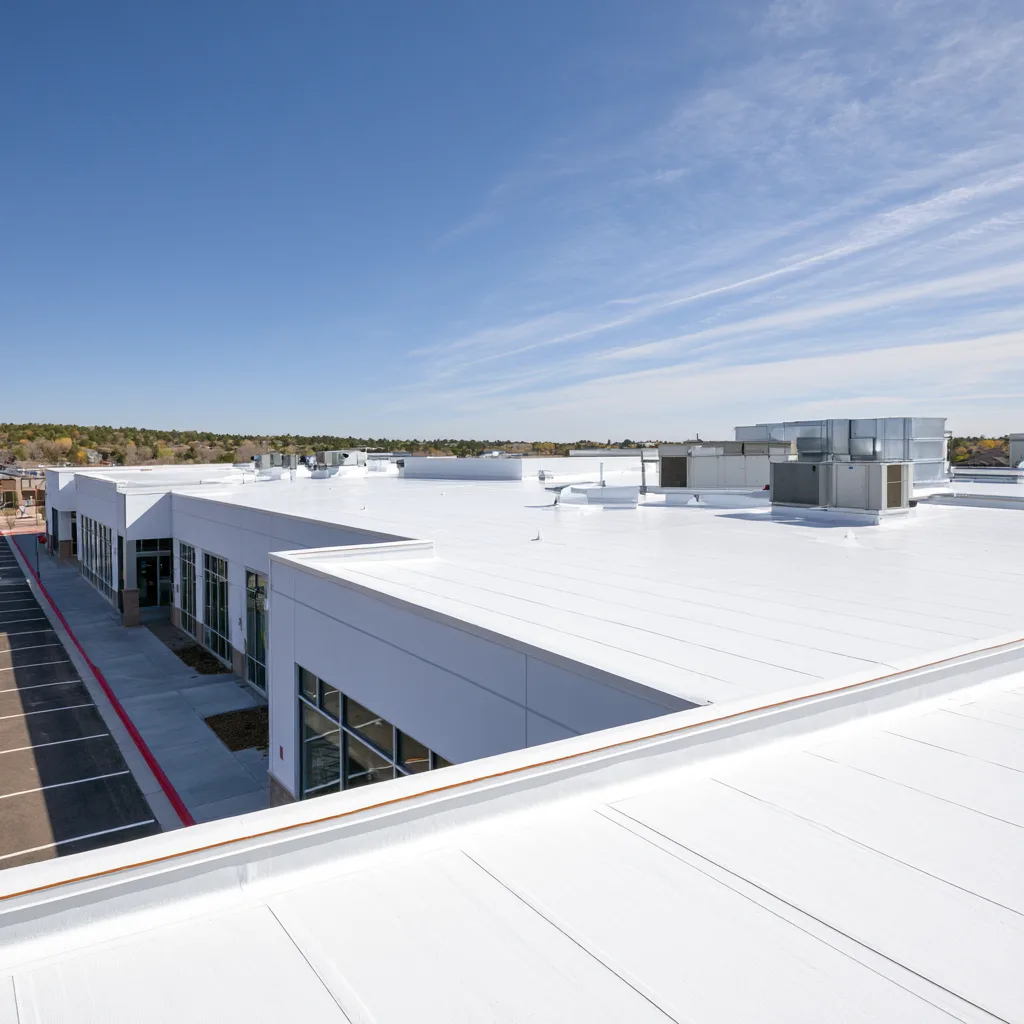
A roof leak can affect the equipment, stock and people inside a building. Get commercial roofing help in Mansfield with the system, the existing condition and the way the property is used all in view.
Commercial roofing starts with the building that depends on it. A leak over occupied space may need prompt attention even when the roof is not ready for full replacement. A roof that has been patched repeatedly may need a wider assessment of the membrane, insulation and drainage.
The next step should explain what can remain useful and what needs to change. Replacing a surface over wet or deteriorated layers can leave the underlying problem in place. Tearing off a sound assembly without considering repair or restoration can miss a useful option.
Mansfield Summit Roofing helps you begin with a free inspection request. Tell us about the building, the roof concern and any restrictions on access or operations.
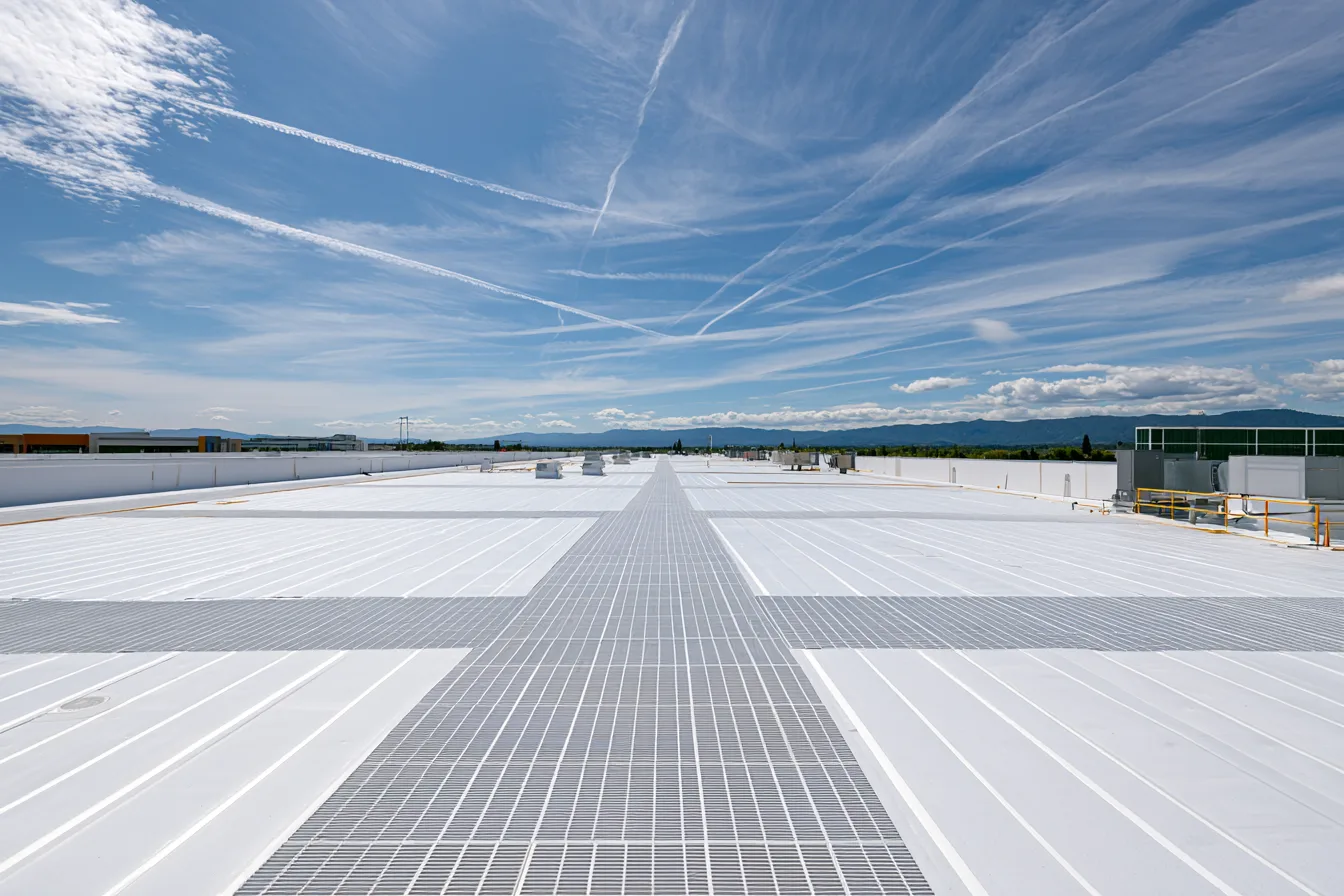
The right destination depends on the condition and the work being considered. These services connect back to the same roof-system assessment.
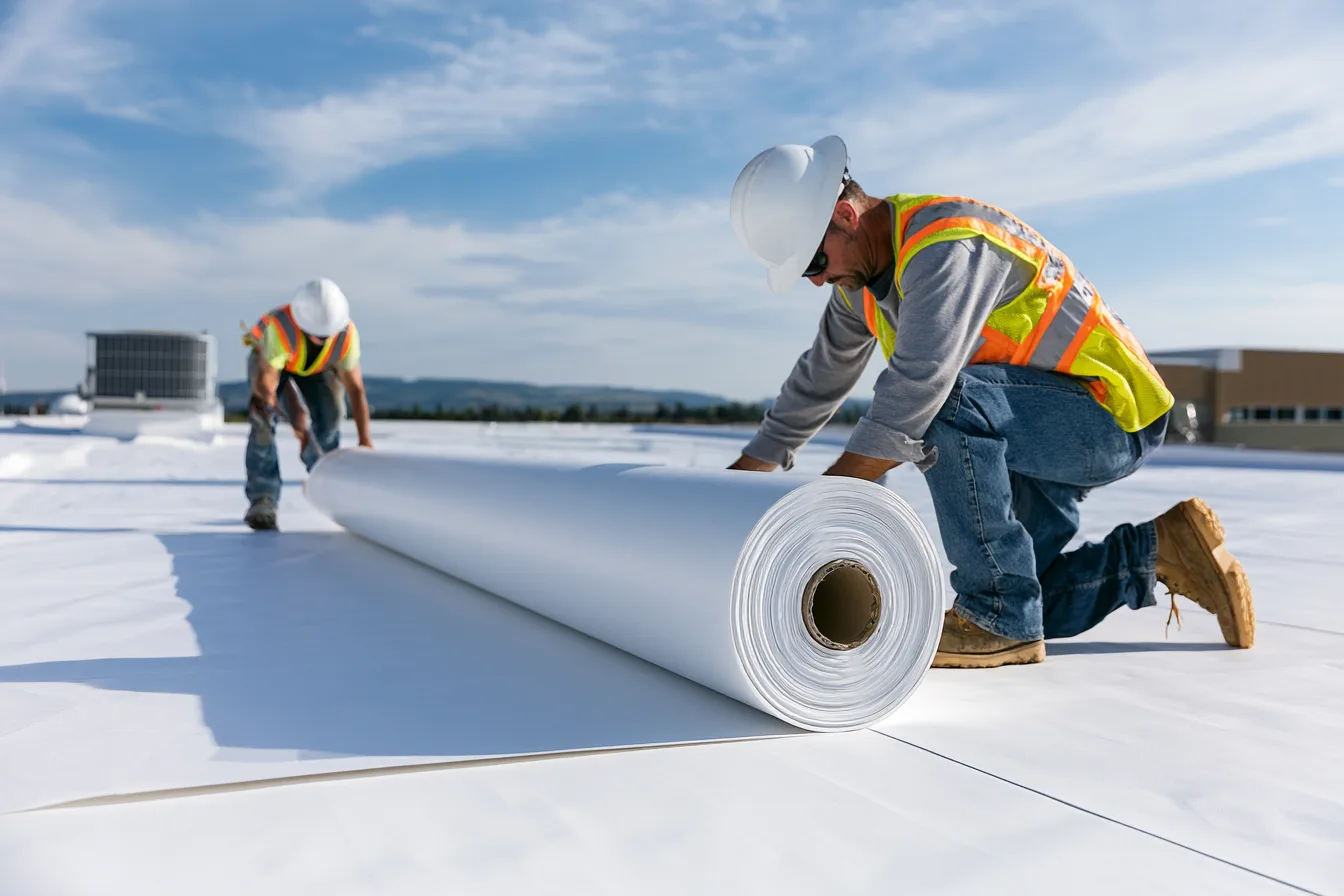
Address leaks, failed seams and roof details while considering the material around them.
Plan the membrane, attachment, insulation and transitions as a complete system.
Explore restoration when the existing roof is sound and suitable for the selected system.
Rebuild the low-slope assembly when continued surface work no longer addresses the condition.
Keep drainage and developing defects visible before they become more disruptive problems.
A low-slope roof is more than the membrane you can walk across. Water can enter at a small detail and affect material below a much larger area.
Seams, punctures, weathering and previous repairs provide clues about the covering. Repair materials need to be compatible with the actual roof system.
Insulation, cover boards and the deck influence repair, recover and replacement choices. A dry-looking surface is not proof that these layers are dry or sound.
Drains, scuppers, curbs and roof penetrations shape where water moves and where details are interrupted. Foot traffic from other trades can also affect the membrane.
The roof’s remaining condition determines which path is worth developing. A coating is not a shortcut around wet insulation, and a repair is not a substitute for a failing assembly.
These are project pathways, not a remote assessment of the building.
The construction plan needs to account for the people and uses below the roof. Those circumstances should be discussed before a schedule is treated as workable.
Roof access, occupied entrances, material handling and protection of vulnerable interior areas influence the arrangement.
Mechanical equipment, roof penetrations and drains need attention where they meet the roofing. Related trades may need to be coordinated.
The amount of roof opened at a time and the sequence of removal or installation depend on weather and project conditions.
Commercial roofing costs depend on the roof assembly and the building, not only its floor area. Wet insulation, existing layers, deck condition and details around equipment can change the work substantially.
Mansfield’s published guidance requires a permit for commercial reroofing and identifies energy-code considerations when roof insulation is removed. That can affect the scope before material is selected.
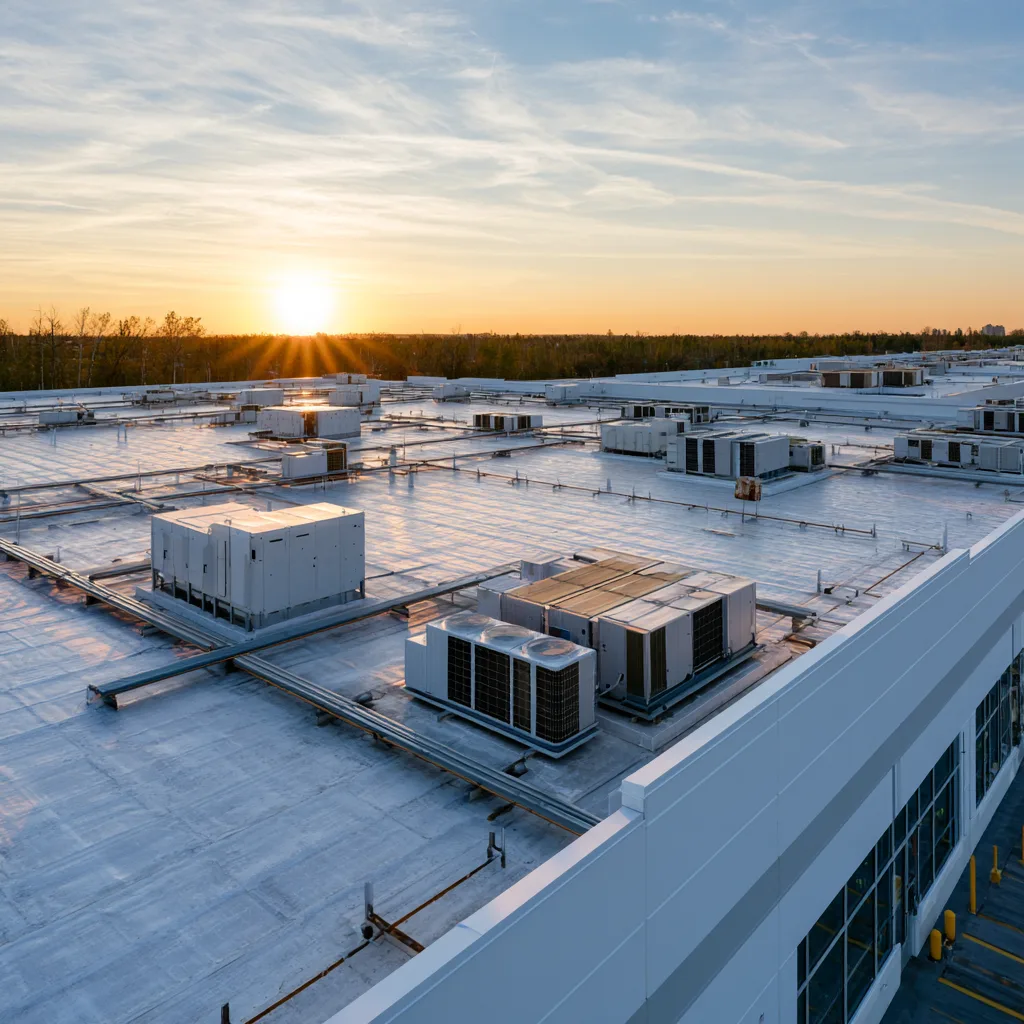
Describe the roof system if you know it, where the issue appears and how the property is used. A free inspection is a useful starting point for the next commercial roofing decision.