Measured roof size and shape
Pitch, waste at cuts, valleys and separate roof sections change the material and labor involved. Floor area is a starting description of the house, not a roof takeoff.
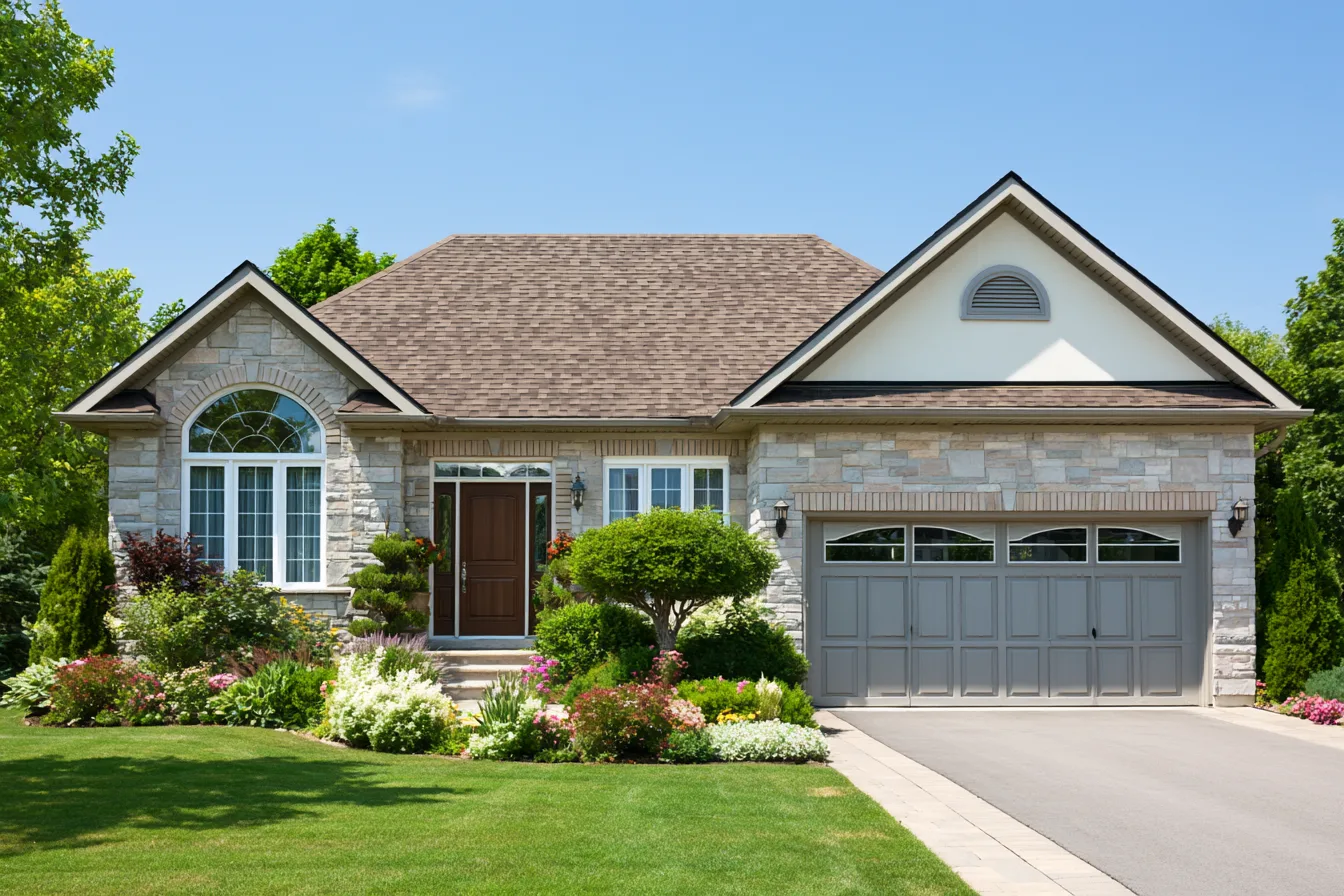
Understand the work behind a roof replacement budget in Mansfield. Regional examples can help you plan, but the roof’s actual size, condition and scope determine the project.
A roof replacement price covers more than bundles of shingles. Removing the old covering, preparing the support, renewing water barriers and completing flashings all belong in the work. Access, roof shape and concealed deterioration can change that work substantially.
Use the examples below as regional planning context, then connect the budget to the roof in front of you. A house’s interior floor area is not the same measurement as its roof area.
A Fort Worth-area roofing cost reference published in March 2026 describes asphalt replacement totals of roughly $8,000–$18,000 for many single-family projects. Its narrower example is $12,000–$14,000 for a 2,000-square-foot home with moderate pitch and no major structural repair. These are regional examples, not Mansfield Summit Roofing prices.
Reference checked September 2026. Substantial repairs, complex access, steep slopes and different materials can fall outside these examples.
A useful scope makes the work visible. Two totals can differ because they describe different projects, even when both say “new shingles.”
Pitch, waste at cuts, valleys and separate roof sections change the material and labor involved. Floor area is a starting description of the house, not a roof takeoff.
The existing covering and number of layers influence removal. The project also needs to account for handling debris and protecting the property.
Deteriorated or unsuitable support may be found when the roof is opened. Understand how additional work will be identified and priced rather than assuming every board will remain or every board must be replaced.
Underlayment, vulnerable-area protection, flashings, ventilation and edges need to be considered alongside the selected shingle. A material-only figure leaves out those connections.
Select a roof layer to see why it belongs in the replacement discussion. See how each part supports or protects the others, and what work on that layer can add to the project scope.
Shingles shed most of the rain. Their overlap, fastening and sealed edges work together, especially where wind can lift an exposed edge. Replacing a few damaged shingles can be sensible when the surrounding covering remains sound and repairable.
Widespread cracking or brittle shingles can make a small repair difficult to tie into the rest of the roof.
Underlayment lies beneath the shingles. Leak barriers add protection at details specified for the roof, such as vulnerable valleys and penetrations. These layers belong beneath properly installed shingles; they are not a substitute for repairing a failed roof surface.
On a replacement, uncovering the old roof creates the opportunity to renew these layers and connect them to the flashing details.
Roof decking supports the covering and provides a surface for its fasteners. Sound decking can remain in a replacement project. Soft, damaged or unsuitable sections need attention before new roofing covers them.
The extent of hidden deterioration can change the work. A roof inspection helps establish the likely scope; removal may reveal areas that were not visible.
Metal flashings guide water where the roof meets a wall, chimney, valley or opening. At the eave, the roof edge and gutter need to work together. A good-looking field of shingles will not make up for a failed transition.
A concentrated leak may be a detail repair rather than a reason to replace all the roofing.
On a vented attic, intake and exhaust need a usable path. The insulation, air sealing and roof ventilation each have a different job. Adding an exhaust vent alone does not establish that the whole attic is working correctly.
A replacement is a useful time to consider the existing attic arrangement and the requirements of the selected roofing system.
The least expensive useful project depends on what the roof actually needs. A limited repair and a replacement solve different conditions.
A failed flashing or a small damaged area can be a repair question when surrounding materials remain workable. Repeated patching is less useful when deterioration extends across the roof.
Explore roof repairA replacement lets the covering and connected layers be renewed together. It is worth understanding why broader work is needed and what condition the new system will be installed over.
Explore roof replacementShingle choices affect the roof’s appearance and product characteristics. Compare those choices with the required installation and complete scope, rather than treating an upgrade name as the entire value.
Compare shingle options
Start with a free inspection so the budget conversation follows the roof’s condition and the work being considered.