Valleys gather runoff
Two slopes send water into a shared channel. An obstruction or failed layer there can affect a different area from the stain visible below.
Water can enter at one roof detail and appear indoors somewhere else. Understanding that route helps explain why a patch directly over a stain may not solve the problem.
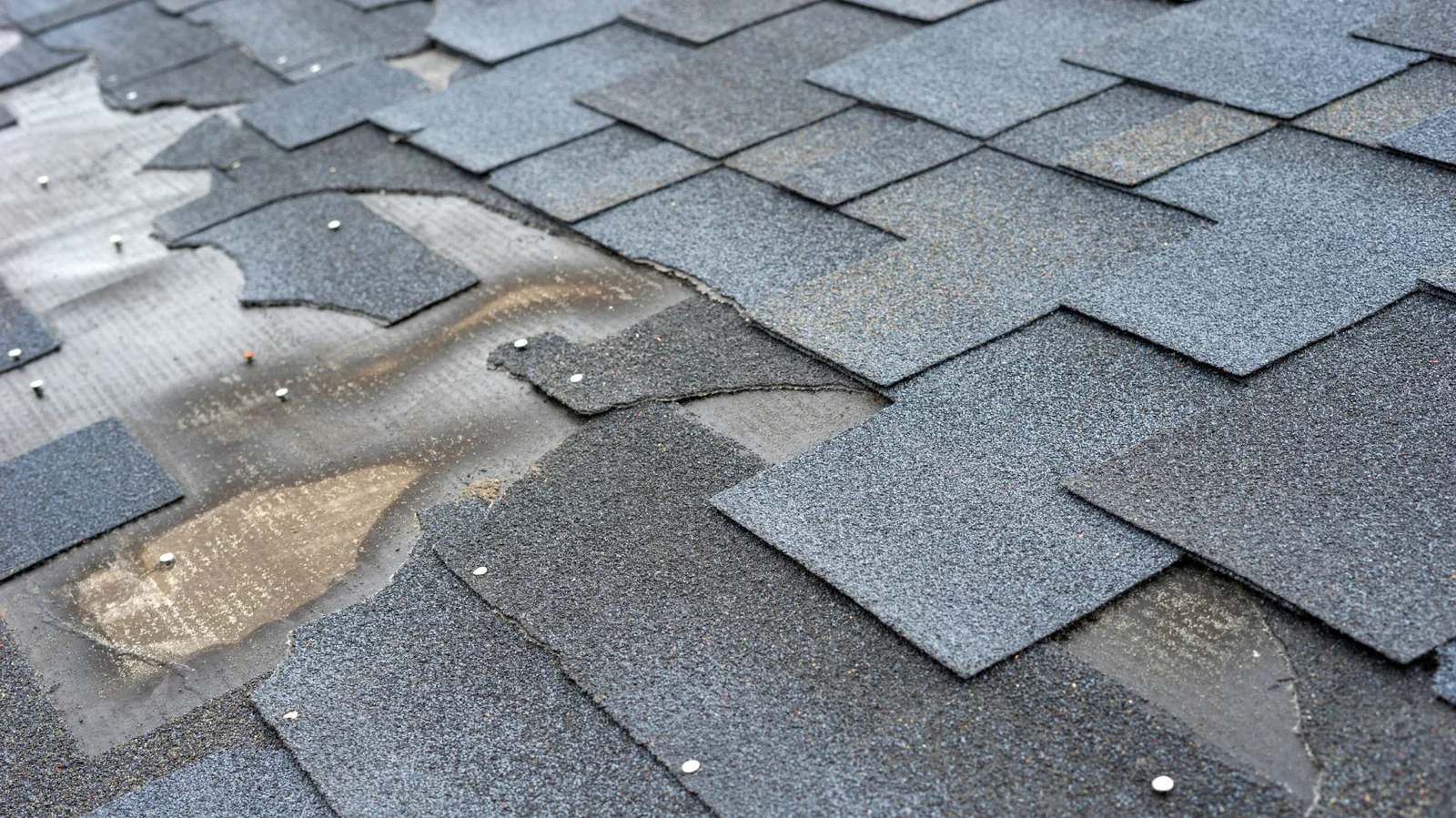
A roof has overlapping surfaces intended to keep water outside. When water gets past one of them, it can move along underlayment, follow the roof deck or run beside framing before it drops into a room. The visible stain marks where the water became apparent, not necessarily where it first entered.
That can make an intermittent leak frustrating. A stain may appear only during wind-driven rain or after a long wet period. By the time someone can inspect the roof, the surface may be dry. The timing and interior location remain useful clues even when water is no longer flowing.
The roof leak repair guide explains how those clues connect to the roof inspection and the eventual repair.
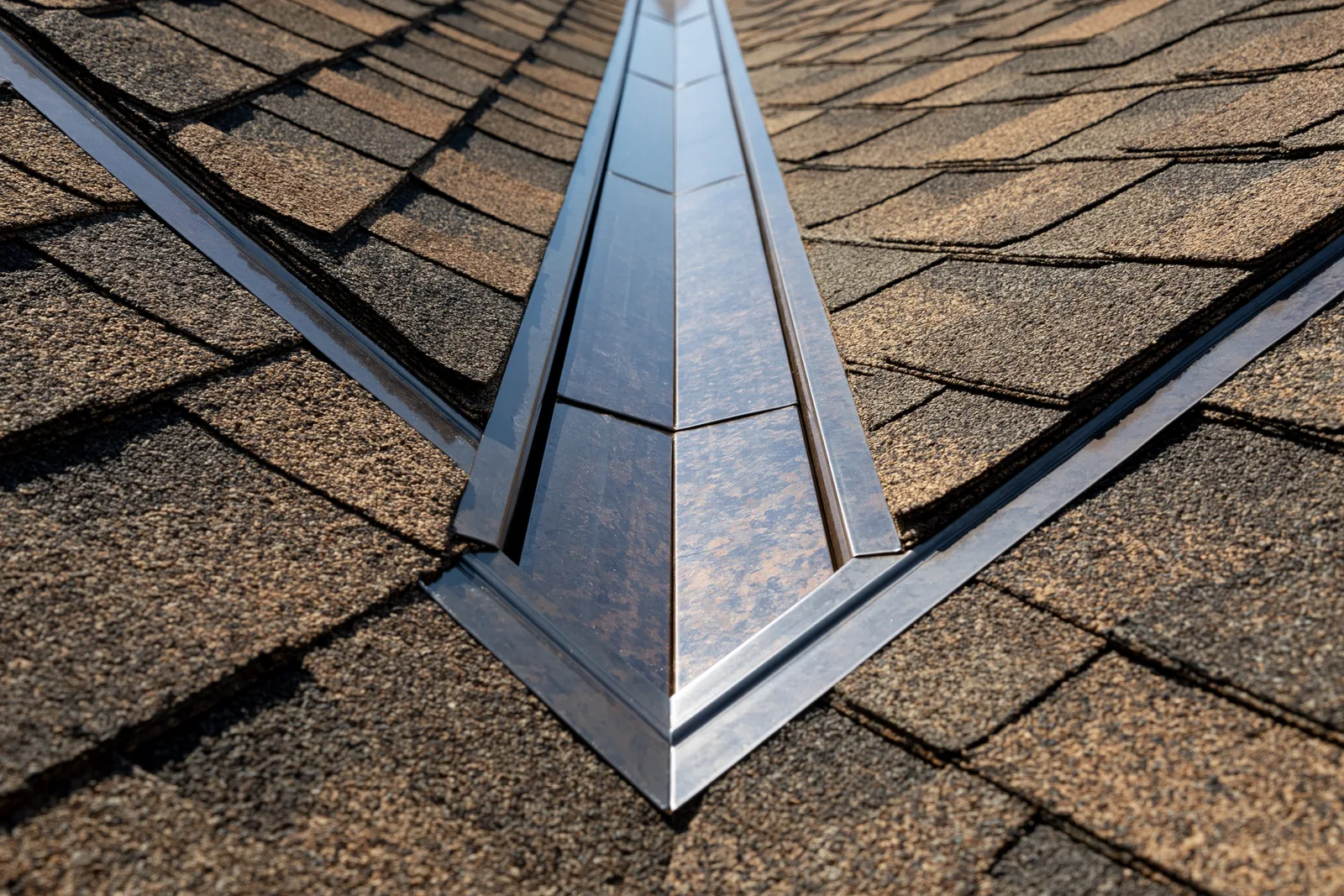
The places where a roof changes direction or meets another surface interrupt its plain covering. Their details determine how water crosses the junction.
Two slopes send water into a shared channel. An obstruction or failed layer there can affect a different area from the stain visible below.
Roof flashing needs to work with the wall above it. Water behind a wall surface may reach the roofing detail and continue downward out of sight.
A fitting, boot or flashing needs to remain connected to the surrounding covering. The shingles can look broadly intact while the penetration admits water.
Not every ceiling stain starts in the roof. The source needs to fit the location and timing before roofing work is treated as the answer.
Water that appears with certain weather may point toward a roof, wall or flashing pathway. The assessment still needs to locate the actual opening.
Moisture can form where air conditions and cold surfaces meet. Ventilation, insulation and air movement may be relevant, depending on where the condensation occurs.
A pipe or mechanical drain can create a mark that resembles a roof leak. The building’s layout and the timing of the water help distinguish these possibilities.

Tell us where the water appears, when it happens and whether the area has been repaired before. Request a free inspection.